
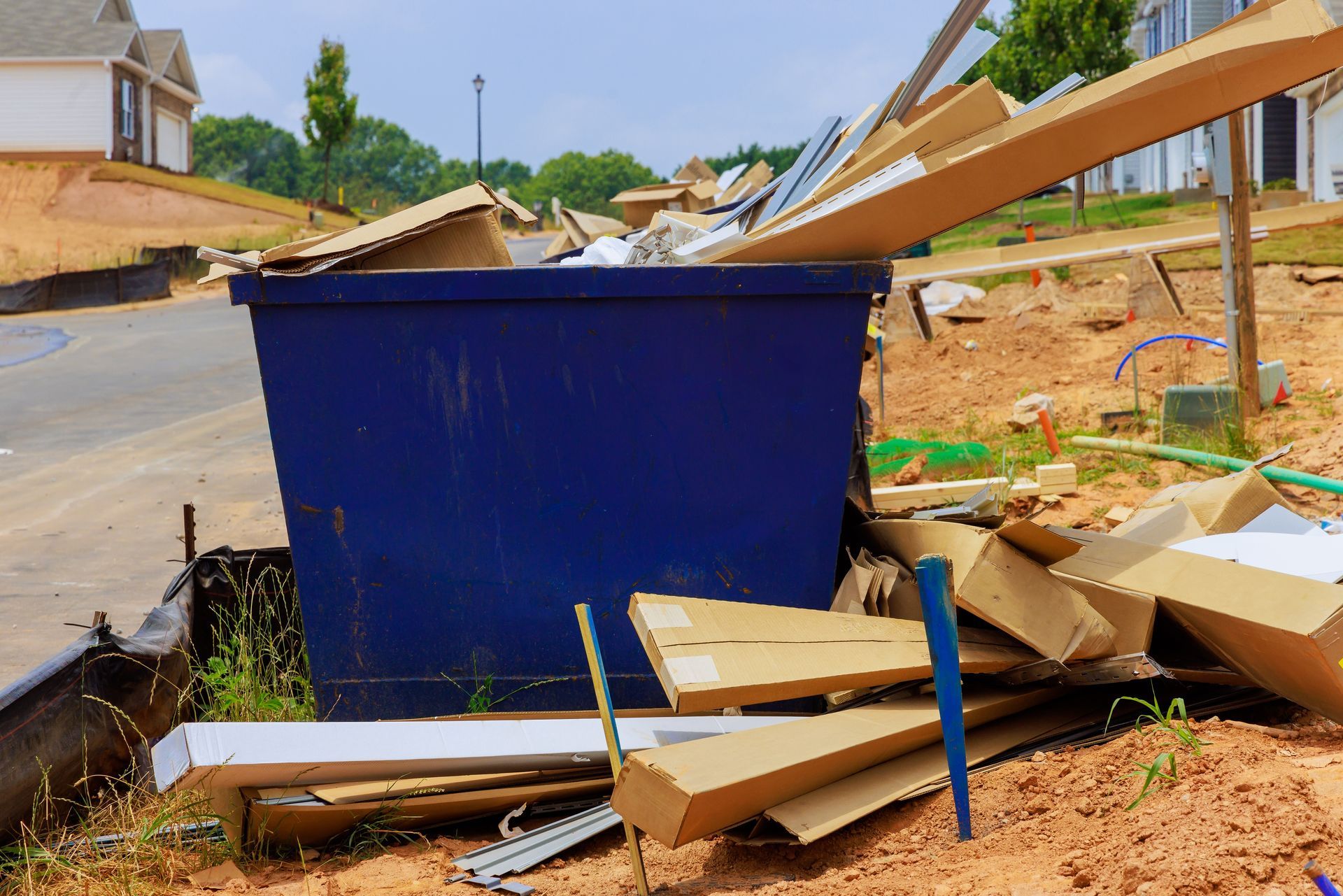
Jobsite Organization That Reduces Safety Hazards
Construction Dumpster Rentals in Wilmington for new builds, demolition work, and contractor debris management
A construction site without designated debris removal turns into a tripping hazard, blocks material deliveries, and slows crew productivity as workers navigate around scrap piles or spend time sorting waste that should have been containerized from the start. Construction dumpster rentals from Carolina Carting give contractors in Wilmington a central disposal point for wood, drywall, flooring, concrete, roofing materials, and general construction debris, with flexible rental periods that adapt to changing build schedules, weather delays, and scope adjustments. You see immediate improvement in site safety and workflow when debris is contained rather than scattered across the property or stacked near work zones where it interferes with equipment access.
The service supports projects at all stages, from initial demolition through framing, finishing, and final cleanup, with container sizes matched to debris volume and material type. Wilmington's high humidity accelerates wood rot and mold growth on construction waste left exposed, so timely disposal prevents material degradation that attracts pests or creates odors affecting neighboring properties. Scheduled pickups keep the container from overflowing and maintain compliance with site safety regulations that prohibit debris accumulation near active work areas.
Reserve a construction dumpster before starting your next project to keep the jobsite organized and safe.
What Construction Rentals Include and Why It Matters
Delivery positioning considers site layout, crew access, and material staging areas to ensure the dumpster doesn't block deliveries or force workers into inefficient loading patterns. The container arrives before demolition or teardown begins, stays on-site through the construction phases, and gets hauled away once the project wraps up or when debris reaches capacity. You load materials as work progresses—demolition debris first, then framing scraps, followed by drywall cutoffs and finishing waste—and schedule pickup based on how quickly the container fills or when the rental period expires.
After the dumpster is removed, the jobsite clears of the debris piles that had been obstructing pathways, creating fire hazards, or violating inspector requirements during walk-throughs. Work zones regain full access, final grading and landscaping can proceed without navigating scrap piles, and closeout inspections happen without delays tied to waste removal. Maintaining a cleaner site also improves crew morale and reduces the risk of injuries caused by stepping on nails, tripping over lumber, or navigating cluttered areas.
Rental terms account for typical construction timelines, though extensions are available if permitting delays, supply chain issues, or weather interruptions push the schedule beyond initial projections. Weight limits vary by container size, and exceeding those limits can delay pickup or incur additional fees, so understanding what qualifies as heavy debris—concrete, masonry, roofing shingles—helps you choose the right container and avoid cost surprises when the project concludes.
Contractor Questions About Jobsite Waste Removal
Contractors planning construction projects often need clarity on sizing, placement, and material restrictions before committing to a rental.
What dumpster size works for a new home build?
A 30 or 40 cubic yard container typically handles debris from framing, drywall installation, roofing, and finishing work on a standard residential build, though larger custom homes may require sequential deliveries.
How does coastal weather in Wilmington affect construction dumpster placement?
High humidity and frequent rain can soften ground surfaces, so placing the container on gravel, pavement, or reinforced areas prevents sinking and makes pickup easier once the rental period ends.
Can demolition debris and new construction waste go in the same dumpster?
Mixed loads are generally acceptable unless you're separating materials for recycling or disposal fee reasons, though certain facilities may charge differently for loads dominated by concrete, metal, or treated lumber.
What happens if the rental period needs to be extended due to permit delays?
Extensions are available if project timelines shift, allowing you to keep the dumpster on-site without interruption while waiting for inspections, approvals, or material deliveries.
Are there materials prohibited from construction dumpsters?
Hazardous waste including paint, solvents, asbestos, treated wood in some cases, and appliances with refrigerants are typically excluded and require separate disposal to comply with environmental regulations.
Carolina Carting provides construction dumpster rentals throughout Wilmington for contractors managing projects of all sizes, and delivery scheduling ensures the container arrives when demolition or teardown begins. Confirm your debris type, site access, and estimated project duration to secure the right container before work starts.